





Health Guides
Finasteride for Hair Loss: How It Works, Results, Side Effects and Generic Brands
A plain-English guide to finasteride for hair loss: how it works, when to expect results, side effects, 1 mg vs 5 mg, dutasteride, and generic Propecia brands such as Finpecia and Finax.
- Quality generic medicines
- Prescription required
- Ships to the USA, UK, Canada & Europe
Finasteride for hair loss is one of the most widely studied treatments for male pattern baldness. Taken as a 1 mg tablet once a day, it works on the hormone behind hereditary hair thinning rather than simply covering it up. This guide explains how finasteride works, what a realistic results timeline looks like, the side effects you should know about, the difference between 1 mg and 5 mg tablets, how dutasteride compares, and the generic brands that contain the same active ingredient as Propecia. Finasteride is a prescription medicine, so the aim here is to help you have a better-informed conversation with your doctor.
Key takeaways
- Finasteride 1 mg once daily is the standard dose for male pattern hair loss. It lowers the level of DHT, the hormone that shrinks hair follicles.
- Results take time: most men need 3 to 6 months to notice a change, and around 12 months for a fair assessment.
- The benefit lasts only as long as you keep taking it. Hair loss usually returns within months of stopping.
- Possible side effects include sexual side effects and mood changes, including depression. Regulators in the UK and US have issued warnings about these.
- Finasteride is not for women or children. Women who are or may be pregnant must not handle crushed or broken tablets.
- Generics such as Finpecia, Finax and Finalo contain the same active ingredient as branded Propecia.
What is finasteride and how does it work?
Finasteride belongs to a group of medicines called 5-alpha reductase inhibitors. The 5-alpha reductase enzyme converts testosterone into dihydrotestosterone (DHT), a more potent hormone. In men who are genetically prone to pattern baldness, hair follicles on the crown and front of the scalp are sensitive to DHT. Over time, DHT causes these follicles to shrink, producing thinner, shorter hairs until some follicles stop producing visible hair altogether.
Finasteride blocks the type II form of this enzyme, which is the form found mainly in hair follicles and the prostate. By lowering DHT levels in the scalp, it slows the shrinking process. In many men it stops further loss, and in some it allows miniaturised follicles to recover and grow thicker hair again.
It is worth being clear about what finasteride does not do. It does not regrow hair on areas that have been completely bald for many years, and it does not treat hair loss caused by other conditions such as thyroid problems, iron deficiency, alopecia areata or stress-related shedding. That is one reason a proper diagnosis from a doctor matters before you start.
Who is finasteride for?
Finasteride 1 mg is licensed for adult men with mild to moderate male pattern hair loss (androgenetic alopecia), affecting the crown and the middle of the front of the scalp. It is not licensed for women and must not be used by children. It tends to work best when started earlier, while there are still plenty of follicles that can respond.
Generic Propecia: the active ingredient is the same
Propecia is the original brand name for finasteride 1 mg. Once the patent expired, other manufacturers were allowed to make tablets containing the same active ingredient at the same strength. Several large pharmaceutical companies now produce their own versions, which are often called generic Propecia.
A generic medicine must contain the same active ingredient, in the same amount, as the original. Inactive ingredients such as fillers, coatings and colours may differ, so the tablet may look different. If you have an allergy or intolerance to any excipient, check the leaflet or ask your pharmacist before switching brands.
Generic finasteride brands
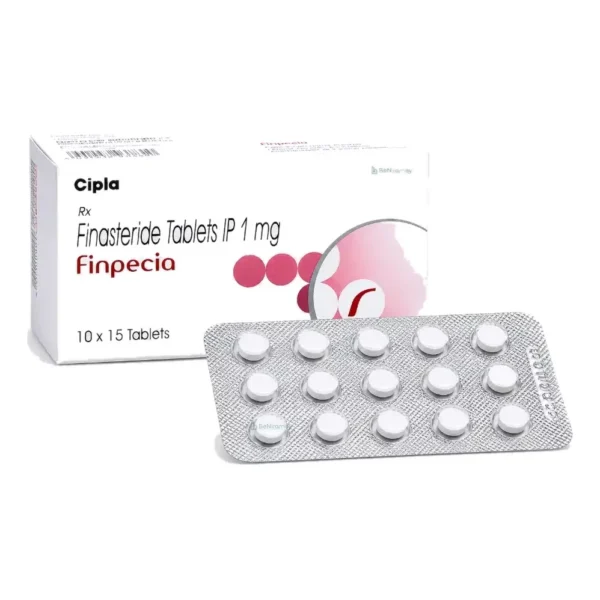
Finpecia 1 mg is made by Cipla and is probably the best-known generic finasteride 1 mg brands. You can read more on our Finpecia 1 mg (Cipla) page.
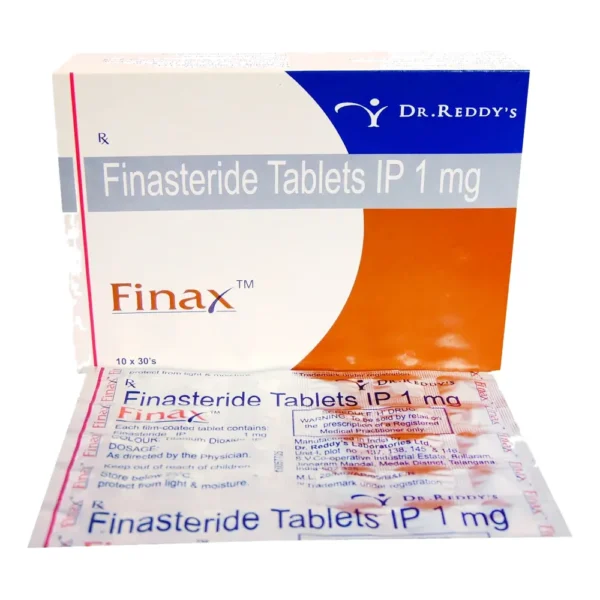
Finax 1 is made by Dr. Reddy’s Laboratories and also contains finasteride 1 mg. See the Finax 1 finasteride 1 mg tablets page for details.
Finalo 1 is made by Intas Pharmaceuticals and contains finasteride 1 mg. Details are on the Finalo 1 product page.
All three are taken in the same way: one tablet a day, with or without food, at roughly the same time each day. You can browse all options in our hair loss category.
Comparing finasteride, dutasteride and minoxidil products
The table below summarises the main products discussed in this guide. “Licensed use” refers to the purpose for which the active ingredient is licensed in the US and UK.
| Brand | Active ingredient | Strength | Maker | Licensed use |
|---|---|---|---|---|
| Finpecia | Finasteride | 1 mg tablet | Cipla | Male pattern hair loss |
| Finax 1 | Finasteride | 1 mg tablet | Dr. Reddy’s | Male pattern hair loss |
| Finalo 1 | Finasteride | 1 mg tablet | Intas | Male pattern hair loss |
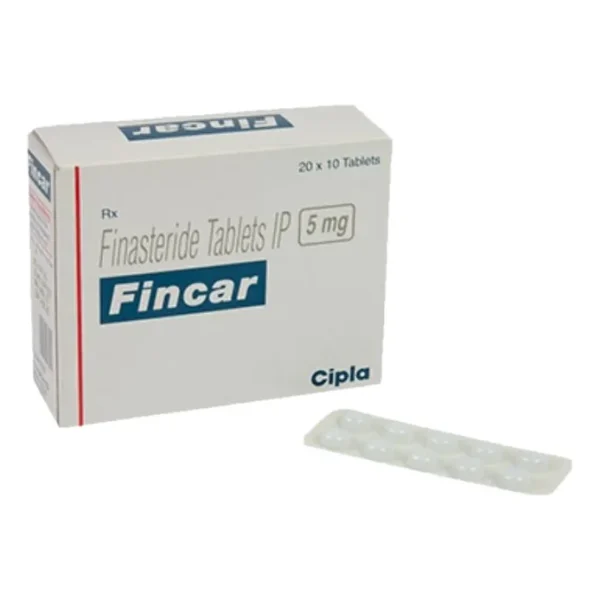
| Fincar | Finasteride | 5 mg tablet | Cipla | Enlarged prostate (BPH), not hair loss |
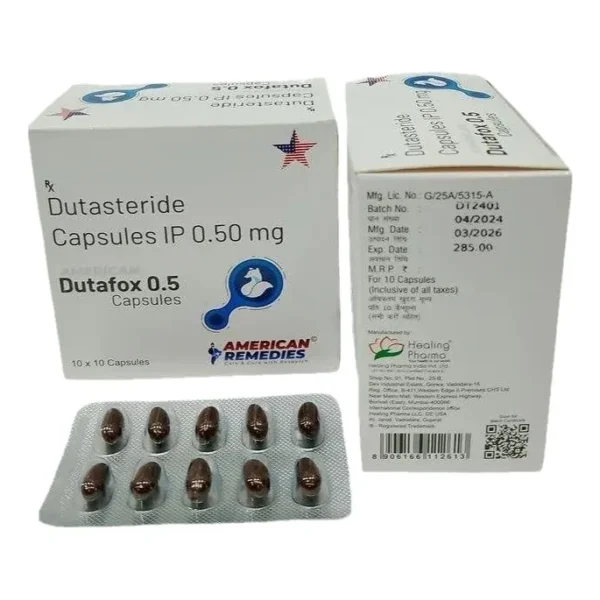
| Dutafox 0.5 | Dutasteride | 0.5 mg capsule | Healing Pharma | Enlarged prostate (BPH) in the US and UK; hair loss in some countries such as Japan and South Korea |
| Minoxyqure 5% | Minoxidil | 5% topical solution | Johnlee Pharmaceuticals | Male pattern hair loss (applied to the scalp) |
Finasteride for hair loss: results timeline
Patience is the most important part of treatment. Hair grows in cycles, and it takes time for follicles to respond once DHT levels fall. A typical pattern looks like this:
- First 1 to 3 months: little visible change. Some men notice a temporary increase in shedding as older, weaker hairs fall out and make way for new growth. This usually settles and is not a reason to stop without speaking to your doctor.
- 3 to 6 months: many men begin to notice less shedding, and some see early thickening, particularly on the crown.
- Around 12 months: this is generally the point at which you and your doctor can judge whether the treatment is working for you. If there is no benefit after a year, continuing is unlikely to help.
- Beyond 12 months: in men who respond, the aim is to maintain the result. Taking photos of your scalp in the same light every few months makes progress easier to judge.
The effect of finasteride is not permanent. If you stop taking it, DHT levels return to their previous level and any hair that was kept or regrown is usually lost again over the following months. Finasteride is therefore a long-term treatment, and that is worth weighing up before you begin.
Side effects of finasteride
Many men take finasteride without problems, but like all medicines it can cause side effects. The most commonly discussed are:
- Sexual side effects: reduced sex drive, difficulty getting or keeping an erection, and a reduced amount of ejaculate. In some men these have been reported to continue after stopping treatment.
- Mood changes: low mood, depression and, rarely, suicidal thoughts have been reported. Official safety warnings about psychiatric side effects have been issued in both the UK and the US. If you notice any change in mood, stop taking finasteride and contact your doctor promptly.
- Breast changes: breast tenderness or enlargement. Tell your doctor about any lumps, pain or nipple discharge.
- Allergic reactions: such as rash, itching, or swelling of the lips or face. Seek urgent medical help if you have difficulty breathing.
For a full list of side effects and safety information, always read the patient leaflet that comes with your tablets and ask your doctor or pharmacist if you have questions.
Important safety points
- Pregnancy: finasteride can affect the development of the genitals in a male baby. Women who are or may be pregnant must not handle crushed or broken tablets. Intact, coated tablets are designed to prevent contact with the active ingredient during normal handling.
- PSA tests: finasteride lowers the level of prostate-specific antigen (PSA) in the blood. If you have a PSA test for prostate screening, tell the doctor you are taking finasteride so the result can be interpreted correctly.
- Blood donation: men taking finasteride are usually asked not to donate blood during treatment and for a period after stopping. Check the rules of your local blood service.
- Not for women or children: finasteride is not licensed for use in women or anyone under 18.
Finasteride 1 mg vs 5 mg
Finasteride is made in two main strengths, and they are licensed for different conditions.
Finasteride 1 mg is the dose licensed for male pattern hair loss. This is the strength in Propecia, Finpecia, Finax and Finalo.
Finasteride 5 mg is licensed for benign prostatic hyperplasia (BPH), a non-cancerous enlargement of the prostate gland that can cause urinary symptoms in older men. It is not licensed for hair loss. An example is Fincar 5 mg (Cipla). A higher dose does not mean better hair results, and it may increase the chance of side effects without added benefit for the scalp.
You may read online about men splitting 5 mg tablets to make a lower dose. Splitting tablets is not something you should do on your own: it makes the dose less accurate and creates broken tablet fragments, which is a risk for anyone who is or may be pregnant in your household. Only split tablets if your prescriber advises it. Your doctor will decide which strength is suitable for your condition.
Dutasteride vs finasteride
Dutasteride is another 5-alpha reductase inhibitor, but it blocks both the type I and type II forms of the enzyme, whereas finasteride blocks mainly type II. As a result, dutasteride generally lowers DHT more strongly. It also stays in the body much longer after you stop taking it.
Dutasteride 0.5 mg is licensed in the US and UK for enlarged prostate (BPH), not for hair loss. In some countries, such as Japan and South Korea, it is also approved for male pattern hair loss. Where it is not licensed for this purpose, some doctors may still prescribe it “off-label” in particular circumstances, for example when a man has not responded to finasteride. That is a decision for a prescriber who knows your medical history.
Points to discuss with your doctor include:
- Side effects are similar in type to finasteride, including sexual side effects and mood changes.
- Because dutasteride lasts longer in the body, any side effects may take longer to settle after stopping, and blood donation restrictions after stopping are typically longer.
- Dutasteride capsules contain a liquid that can be absorbed through the skin. Women who are or may be pregnant should not handle leaking or damaged capsules.
- Like finasteride, it lowers PSA levels.
For details of a dutasteride product, see Dutafox 0.5 dutasteride capsules.
Using finasteride with minoxidil
Finasteride and minoxidil work in different ways. Finasteride acts on the hormonal cause of pattern hair loss, while minoxidil is applied to the scalp and is thought to work by prolonging the growth phase of the hair cycle and improving blood flow to the follicles. Because their actions are different, doctors sometimes recommend using both together.
Minoxidil 5% topical solution, such as Minoxyqure 5% minoxidil solution, is usually applied twice a day to a dry scalp. As with finasteride, results take months, and the effect fades if you stop. Our separate guide on how to use minoxidil 5% and when to expect results covers this in more detail.
Getting started safely
Before starting finasteride, see a doctor to confirm that your hair loss is male pattern hair loss and that the medicine is suitable for you. Tell them about any other medicines you take, any history of depression or other mental health conditions, and any prostate problems. Your doctor can also advise how long to try the treatment before reviewing it.
RxPillTab supplies generic medicines against a valid prescription for every order. Orders are shipped worldwide by EMS or registered mail in discreet packaging. To see the steps involved, including how to send your prescription, visit our how to order page.
Frequently asked questions
Is Finpecia the same as Propecia?
Finpecia and Propecia both contain finasteride 1 mg as the active ingredient and are taken in the same way. Finpecia is made by Cipla, while Propecia is the original brand. The inactive ingredients and the appearance of the tablet may differ.
How long does finasteride take to work for hair loss?
Most men need 3 to 6 months of daily use before they notice less shedding or some thickening. A fair assessment of whether it is working for you is usually made after about 12 months.
What happens if I stop taking finasteride?
The benefits wear off. DHT levels rise again, and hair that was maintained or regrown is usually lost over the following months. Speak to your doctor before stopping, unless you have side effects such as mood changes, in which case stop and seek advice promptly.
Can women use finasteride for hair loss?
Finasteride is not licensed for women. Women who are or may be pregnant must not handle crushed or broken tablets, because the medicine can affect the development of a male baby. Women with hair loss should see a doctor about suitable options.
Is dutasteride better than finasteride?
Dutasteride lowers DHT more strongly, but it is not licensed for hair loss in the US or UK, and it remains in the body for longer. Whether it is suitable depends on your circumstances, so this is a decision to make with your prescriber.
Does finasteride affect prostate tests?
Yes. Finasteride lowers PSA levels in the blood. If you have a PSA test, tell the doctor you are taking finasteride so the result can be interpreted correctly.
The information on this page is for general guidance only and does not replace professional advice. Always consult your doctor or pharmacist before starting any medicine. Read our full medical disclaimer.
Medicines mentioned in this guide

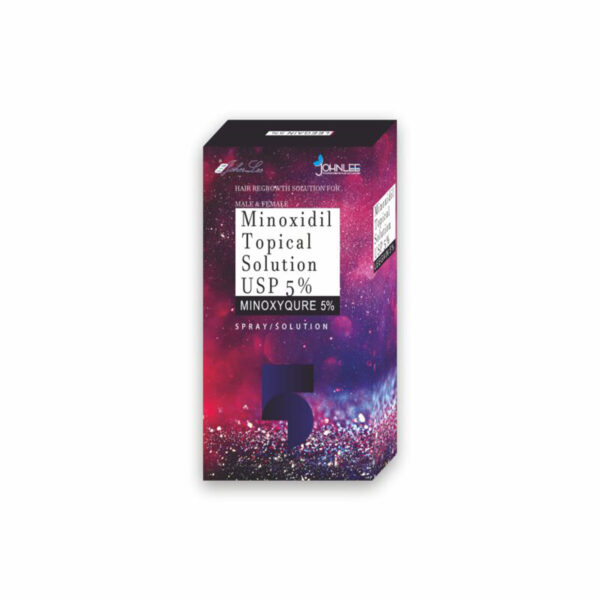
All medicines are supplied only against a valid prescription. Prices shown are for the smallest pack.
About this guide
Written by the rxptteam8. We base our guides on official sources such as the NHS, the US FDA, the EMA and MedlinePlus, and we update them when guidance changes. Last updated .