




Health Guides
Generic Imatinib: What Patients Should Know
Generic imatinib contains the same active ingredient as Gleevec/Glivec. Learn what it treats, how it works, monitoring, side effects, interactions and how to source it safely with your oncologist's prescription.
- Quality generic medicines
- Prescription required
- Ships to the USA, UK, Canada & Europe
If you or someone you care for has been prescribed imatinib, the monthly cost can be a real worry. Generic imatinib, the same active ingredient as the brands Gleevec (US) and Glivec (UK and Europe), is made by several manufacturers and is often more affordable. This guide explains what generic imatinib is used for, how it works, what monitoring and side effects to expect, and how to source it safely. A valid prescription is required for every order, and any decision about your treatment, including a change of brand, should always be made with your oncologist.
Key takeaways
- Generic imatinib contains the same active ingredient as Gleevec/Glivec and is a targeted cancer medicine called a tyrosine kinase inhibitor.
- It is used for Philadelphia chromosome-positive chronic myeloid leukaemia (Ph+ CML), Ph+ acute lymphoblastic leukaemia (ALL), gastrointestinal stromal tumours (GIST) and some other conditions.
- Your oncologist sets the dose, usually between 400 mg and 800 mg a day for adults. Never change your dose or stop without their advice.
- Take it with food and a large glass of water. Regular blood counts and liver tests are an essential part of treatment.
- Tell your oncologist before switching to any different brand of imatinib, including a generic, and check your country’s rules on importing medicines.
What is generic imatinib?
Imatinib (as imatinib mesylate) was one of the first targeted cancer medicines. It was originally sold under the brand name Gleevec in the United States and Glivec in the UK, Europe and many other countries. Since the original patents expired, generic imatinib has been produced by a number of manufacturers and is now widely used in the US, UK, EU and Canada.
A generic medicine contains the same active ingredient, in the same strength and dosage form, as the original brand. Inactive ingredients such as fillers, coatings and colours may differ, which is why tablets from different makers can look different. Imatinib 400 mg tablets are one of the most commonly prescribed strengths, and 100 mg tablets are also made so doses can be adjusted.
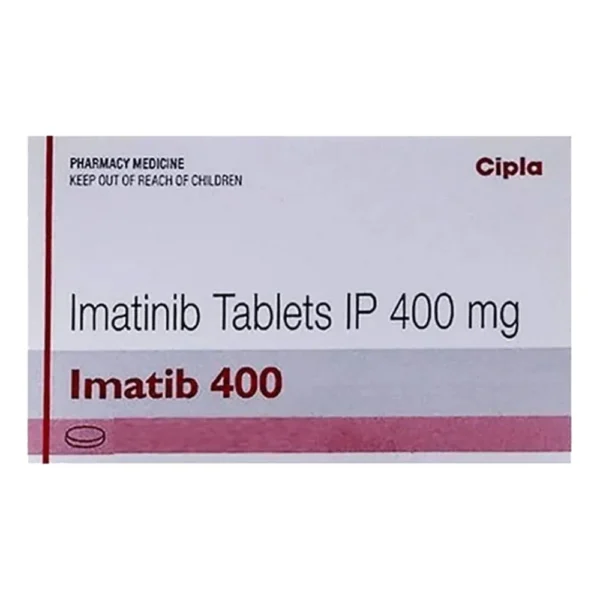
At RxPillTab we supply Imatinib 400 mg (Imatib 400 by Cipla), a generic imatinib made by Cipla, a long-established pharmaceutical manufacturer.
What does imatinib treat?
Imatinib is approved for a number of specific conditions. Your oncologist will only prescribe it where it is right for your diagnosis. Approved uses include:
- Philadelphia chromosome-positive chronic myeloid leukaemia (Ph+ CML) in adults and children, in chronic, accelerated or blast phase.
- Philadelphia chromosome-positive acute lymphoblastic leukaemia (Ph+ ALL), often alongside chemotherapy.
- Gastrointestinal stromal tumours (GIST) that are KIT (CD117) positive, either when they cannot be removed by surgery or have spread, or after surgery to lower the chance of the tumour returning.
- Some rarer conditions, such as dermatofibrosarcoma protuberans (DFSP), certain myelodysplastic or myeloproliferative diseases linked to PDGF receptor gene changes, hypereosinophilic syndrome or chronic eosinophilic leukaemia, and some forms of systemic mastocytosis.
Imatinib is not a general cancer treatment. It works for cancers driven by particular genetic changes, which is why your care team will usually confirm the diagnosis with specialist blood, bone marrow or tissue tests before treatment starts.
How does imatinib work?
Many cells use enzymes called tyrosine kinases to send “grow and divide” signals. In Ph+ CML and Ph+ ALL, a swap of genetic material between chromosomes 9 and 22 creates an abnormal gene called BCR-ABL. This produces a faulty tyrosine kinase that is switched on all the time, telling leukaemia cells to keep multiplying. In most GISTs, a similar problem happens with the KIT or PDGFRA proteins.
Imatinib is a tyrosine kinase inhibitor (TKI). It fits into these abnormal enzymes and blocks the signal, which slows or stops the growth of the cancer cells. Because it targets specific proteins rather than all fast-dividing cells, its side effects are different from traditional chemotherapy, although it can still cause side effects that need monitoring. For many people with CML, imatinib is a long-term daily treatment.
Why does generic imatinib cost less?
When a new medicine is developed, the company that created it pays for years of research and clinical trials, and recovers those costs while it holds the patent. Once the patent ends, other manufacturers can make the same medicine. They need to show that their version is equivalent to the original, but they do not need to repeat the full development programme. Competition between several manufacturers then tends to bring prices down.
Several experienced generic manufacturers now make imatinib and supply it to many countries. Lower development costs, together with competition between makers, mean that generic imatinib is often more affordable than the original brand. A lower price does not change how the medicine should be used: the same dosing, monitoring and safety advice applies whichever brand you take.
Dosing: always set by your oncologist
Your dose of imatinib depends on your condition, its stage, your blood counts, your liver and kidney function, other medicines you take and how you respond to treatment. For adults, the usual daily dose is between 400 mg and 800 mg. A dose of 400 mg is commonly taken once a day, while 800 mg a day is usually split into 400 mg twice a day. Children’s doses are worked out by the doctor based on body size.
General advice on taking imatinib includes:
- Take it with a meal and a large glass of water. This helps reduce stomach upset.
- Take it at about the same time each day.
- If you have difficulty swallowing, ask your pharmacist or oncologist how to take it. Imatinib tablets can usually be dispersed in water or apple juice, but follow the advice for your specific product.
- If you miss a dose, do not take a double dose. Take the next dose at the usual time and let your care team know if you miss doses often.
Your oncologist may raise, lower or pause your dose depending on test results and side effects. Never change the dose, stop treatment or switch to a different TKI on your own. Stopping imatinib without medical advice can allow the cancer to return or progress.
Monitoring during treatment
Regular check-ups are an important part of imatinib treatment, both to make sure it is working and to catch side effects early. Your care team will usually arrange:
- Full blood counts, often frequently in the first couple of months and then at regular intervals, because imatinib can lower white cells, red cells and platelets.
- Liver function tests, as imatinib can affect the liver.
- Kidney function tests from time to time.
- Weight checks, because sudden weight gain can be a sign of fluid retention.
- Response tests, such as BCR-ABL PCR blood tests for CML, or scans for GIST.
If you are sourcing your medicine from abroad, please keep every appointment and blood test as planned. Bring the packet of any new brand with you so your oncologist can record exactly what you are taking.
Possible side effects
Many side effects are mild to moderate and often ease over time. Common side effects include:
- Fluid retention (oedema), especially puffiness around the eyes or swelling of the ankles and legs
- Nausea, vomiting and indigestion
- Muscle cramps and muscle, bone or joint pain
- Skin rash
- Diarrhoea
- Tiredness (fatigue)
- Headache
- Low blood counts, which can increase the risk of infection, anaemia or bleeding
Contact your oncology team straight away if you have rapid weight gain, shortness of breath, chest pain, signs of infection such as fever or chills, unusual bleeding or bruising, black or bloody stools, yellowing of the skin or eyes, a severe rash or blistering, or severe stomach pain. Your team can advise on ways to manage side effects, and may adjust your dose if needed.
Interactions and precautions
Imatinib is broken down in the liver, mainly by an enzyme called CYP3A4. Medicines and products that affect this enzyme can change how much imatinib is in your blood. Always give your oncologist and pharmacist a full list of everything you take, including over-the-counter medicines, vitamins and herbal remedies. Important interactions include:
- CYP3A4 inhibitors, such as some antifungals (for example ketoconazole or itraconazole), some antibiotics (for example clarithromycin) and some HIV medicines, which can raise imatinib levels.
- CYP3A4 inducers, such as rifampicin and some anti-epilepsy medicines (for example carbamazepine or phenytoin), which can lower imatinib levels and may make it less effective.
- Grapefruit and grapefruit juice, which should be avoided.
- St John’s wort, a herbal remedy that can lower imatinib levels and should be avoided.
- Warfarin. Imatinib can increase its effect, so your doctor may suggest a different anticoagulant.
- Paracetamol (acetaminophen) and levothyroxine may also need a review, so ask your care team before taking them regularly.
Pregnancy and breastfeeding: imatinib can harm an unborn baby. If you could become pregnant, use effective contraception during treatment and for the period afterwards that your oncologist recommends. Tell your doctor straight away if you think you may be pregnant. Breastfeeding is not recommended during treatment or for a time after stopping.
For more detail, read the patient information leaflet that comes with your medicine and ask your oncology team or pharmacist about anything you are unsure of.
Sourcing generic imatinib safely
If you are considering generic imatinib from an online supplier, these steps can help you do so safely:
- Talk to your oncologist first. Tell them you are thinking about a different brand and show them the product details. They can confirm it is the right medicine and strength for you.
- Have a valid prescription. A reputable supplier will always ask for one. Be wary of any website that offers cancer medicines without asking for a prescription.
- Check your country’s import rules. Rules on bringing prescription medicines in for personal use differ between the US, UK, EU countries and Canada. Check with your local medicines regulator or customs service before you order.
- Check the product. When it arrives, make sure the name, strength, manufacturer, batch number and expiry date are clear on the packaging, and that the seals are intact.
- Plan ahead. International delivery takes time. Order well before you run low so you do not miss doses.
- Keep your care team informed. Let them know when you start the new brand so any change in side effects or test results can be looked at in context.
At RxPillTab, we require a prescription for every order and ship worldwide by EMS or registered mail. You can read the full steps on our how to order page.
Other targeted cancer generics
Imatinib is one of several targeted cancer medicines that are available as generics. Each of these is prescribed only for specific cancers, often after genetic or biomarker testing, and each has its own dosing, monitoring and side effect profile. The table below gives a brief overview of other targeted generics we stock. You can see the full range in our oncology section.
| Product | Active ingredient | Strength | Reference brand | Main uses |
|---|---|---|---|---|
| Imatib 400 (Cipla) | Imatinib | 400 mg tablet | Gleevec / Glivec | Ph+ CML, Ph+ ALL, KIT-positive GIST, some rarer conditions |
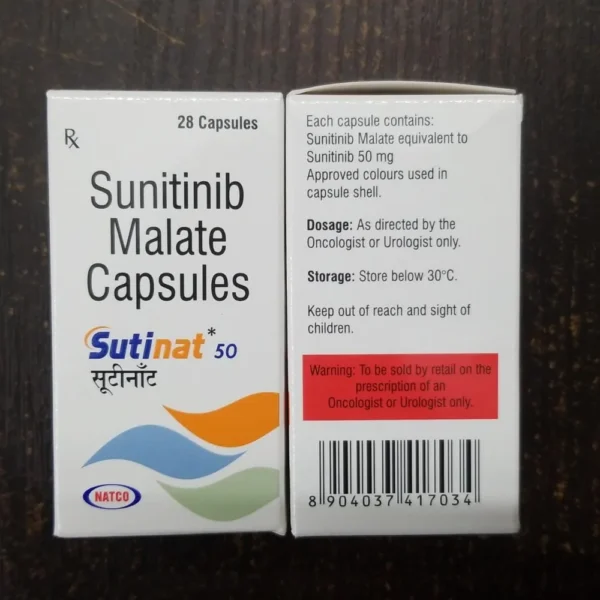
| Sutinat 50 (Natco) | Sunitinib | 50 mg capsule | Sutent | GIST after imatinib, advanced kidney cancer, pancreatic neuroendocrine tumours |
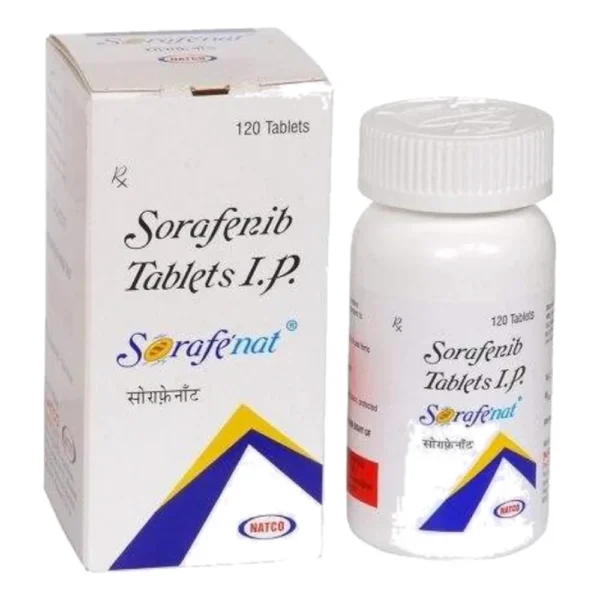
| Sorafenat 200 (Natco) | Sorafenib | 200 mg tablet | Nexavar | Advanced liver cancer (HCC), advanced kidney cancer, certain thyroid cancers |
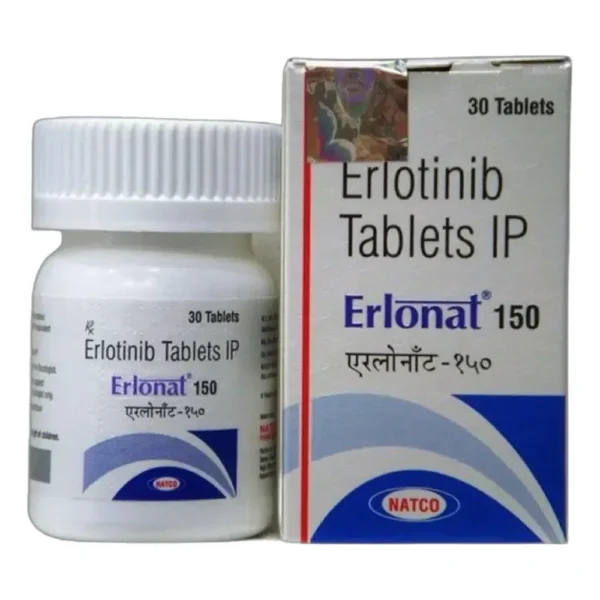
| Erlonat 150 (Natco) | Erlotinib | 150 mg tablet | Tarceva | EGFR-mutation non-small cell lung cancer; pancreatic cancer with gemcitabine |
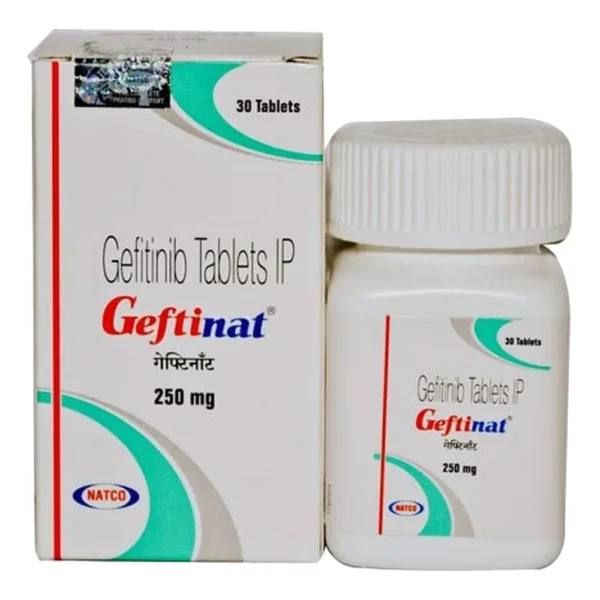
| Geftinat 250 (Natco) | Gefitinib | 250 mg tablet | Iressa | EGFR-mutation non-small cell lung cancer |
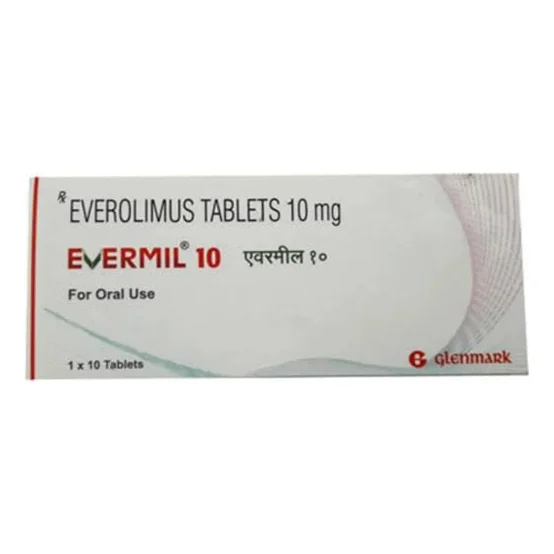
| Evermil 10 | Everolimus | 10 mg tablet | Afinitor | Hormone receptor-positive advanced breast cancer (with exemestane), advanced kidney cancer, certain neuroendocrine tumours |
Approved uses can vary slightly between countries. Your oncologist will decide whether any of these medicines is suitable for you, and which dose to use.
Frequently asked questions
Is generic imatinib the same as Gleevec or Glivec?
Generic imatinib contains the same active ingredient in the same strength as Gleevec and Glivec and is intended to work in the same way. Inactive ingredients, appearance and packaging may differ. Always tell your oncologist if you change from one brand of imatinib to another.
Do I need a prescription for imatinib 400 mg?
Yes. Imatinib is a prescription-only cancer medicine, and it must be prescribed and monitored by an oncologist or haematologist. RxPillTab requires a valid prescription for every order.
Can I switch from my current imatinib to a generic?
Speak to your oncologist before making any switch. They can confirm the product and strength are right for you, and may want to check your blood tests after the change. Never adjust your dose or switch to another TKI without their advice.
Should I take imatinib with food?
Yes. Imatinib is usually taken with a meal and a large glass of water to reduce stomach upset. Follow the instructions given by your oncologist and on the patient leaflet.
What should I avoid while taking imatinib?
Avoid grapefruit and grapefruit juice, and do not take St John’s wort. Check with your doctor or pharmacist before starting any new medicine, supplement or herbal remedy, as several medicines can interact with imatinib, including warfarin and some antifungals, antibiotics and anti-epilepsy medicines.
How long does delivery of imatinib take?
Delivery times depend on your country and customs processing. We ship worldwide by EMS or registered mail. Because imatinib is usually taken every day, order well before your current supply runs out. See our how to order page for details.
The information on this page is for general guidance only and does not replace professional advice. Always consult your doctor or pharmacist before starting any medicine. Read our full medical disclaimer.
Medicines mentioned in this guide
All medicines are supplied only against a valid prescription. Prices shown are for the smallest pack.
About this guide
Written by the rxptteam8. We base our guides on official sources such as the NHS, the US FDA, the EMA and MedlinePlus, and we update them when guidance changes. Last updated .